




- Surrogacy in Cyprus: What Intended Parents Need to Know
- Understanding the Division: North vs South Cyprus
- Surrogacy in North Cyprus: A Legal Vacuum
- The Problem with “Cyprus Surrogacy” Marketing
- Surrogacy in South Cyprus: Legal but Restrictive
- Cross-Border Arrangements: A Dangerous Illusion
- Our View and Thoughts

At first glance, surrogacy in Cyprus can appear to be a viable option. You may even come across agencies promoting “Cyprus programs” as simple, fast, and accessible.
The reality, however, is more complex.
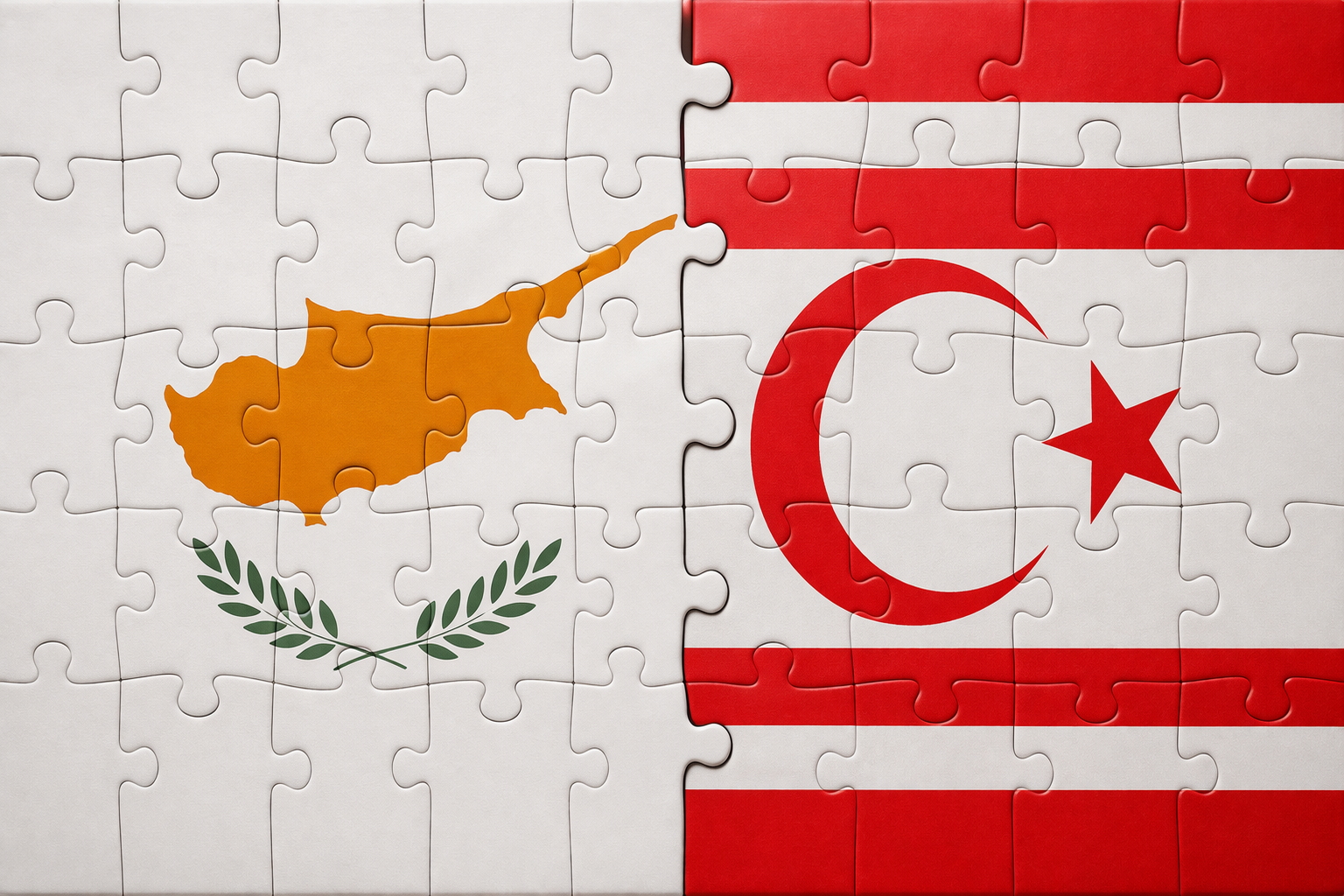
Cyprus is a divided island, and this division has very real legal consequences. There is a fundamental difference between surrogacy in North Cyprus and surrogacy in South Cyprus, and understanding this distinction is absolutely essential before considering any journey there.
Since 1974, Cyprus has been divided into two distinct territories.
The southern part is the Republic of Cyprus, a member of the European Union and fully recognized under international law. The northern part is controlled by the Turkish Republic of Northern Cyprus (TRNC), a self-declared state that is not internationally recognized.
Between the two lies the Green Line, monitored by the United Nations. But this is not just a geographical separation. It’s legal, administrative, and institutional.
This distinction matters when it comes to surrogacy.
A legal process carried out in South Cyprus is recognized within the European legal framework. A process carried out in North Cyprus, on the other hand, exists in a legal vacuum with no international validity.
Let’s be clear: surrogacy in North Cyprus is not regulated, not recognized internationally, and not something we recommend under any circumstances.
There are no laws regulating surrogacy, and no legal process that can give intended parents the certainty of having their parentage recognized internationally. There are no safeguards in place to protect either the intended parents or the surrogate.
Despite this, some clinics and intermediaries actively promote surrogacy programs in North Cyprus.
These programs operate entirely outside any recognized legal framework. Contracts are often drafted privately and have no real enforceability beyond the clinic itself. Once a child is born, intended parents may find themselves in a deeply uncertain situation.
Because the TRNC is not internationally recognized, surrogacy agreements signed there have no enforceable value abroad, court decisions (if any) are not recognized outside the region, and birth certificates issued may not be accepted by embassies
The consequence is simple: you may find yourself with a child and no clear legal pathway to establish parentage or obtain travel documents.
One of the most concerning aspects we see in practice is how surrogacy in Cyprus is marketed.
Some agencies simply advertise “Cyprus” without specifying whether the program takes place in the North or the South. For intended parents unfamiliar with the region, this can be very misleading.
Only later do they discover that the medical procedures were carried out in North Cyprus, where no legal framework exists.
At that point, the consequences are already unfolding.
We have seen cases where parents are unable to register the birth, where embassies refuse to issue travel documents, and where resolving the situation requires months of legal work, DNA testing, and significant additional costs.
The situation in South Cyprus (Republic of Cyprus) is entirely different.
Surrogacy is legal and strictly regulated under Law 69(I)/2015 on Medically Assisted Reproduction. This is not a commercial surrogacy and is based on an altruistic model, which means that the surrogate cannot be paid beyond documented expenses.
The process also requires multiple layers of approval and, before reaching embryo transfer, intended parents must obtain the authorization of the Council for Medically Assisted Reproduction and of a Family Court.
The process also includes psychological and medical evaluations.
From a legal perspective, this framework is solid. However, from a practical standpoint, it could be difficult to access, particularly for international intended parents.
Another issue we occasionally encounter is the idea of “combining” North and South Cyprus.
Some intermediaries suggest carrying out the medical process in the North and then legalizing the birth in the South.
This approach is not just risky. It is legally indefensible.
The two jurisdictions operate under completely separate legal systems. Documents issued in North Cyprus are not recognized by authorities in the Republic of Cyprus. Any surrogacy agreement from the North has no legal standing in the South.
In practice, these arrangements often collapse, leaving the child in a legal limbo and the parents facing serious immigration and custody complications.
Surrogacy in North Cyprus presents an unacceptable level of legal uncertainty. The absence of regulation, combined with the lack of international recognition, makes it impossible to protect intended parents or the child.
While South Cyprus is legally sound, it may not suitable for many international families (it depends on the case)
Surrogacy is not just a medical journey. It is a legal process that will directly affect your child’s identity, citizenship, and future.
Choosing the right country is not about convenience or speed. It is about legal certainty and long-term security.
If there is one takeaway from Cyprus, it is this:
Not everything that is marketed as “possible” is actually safe.